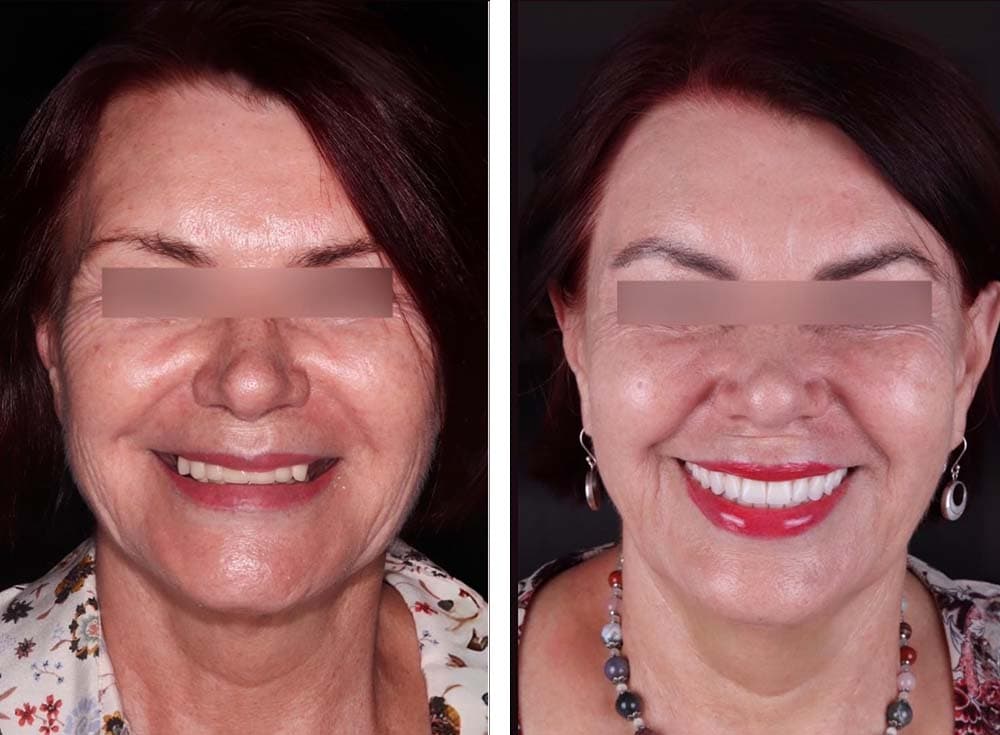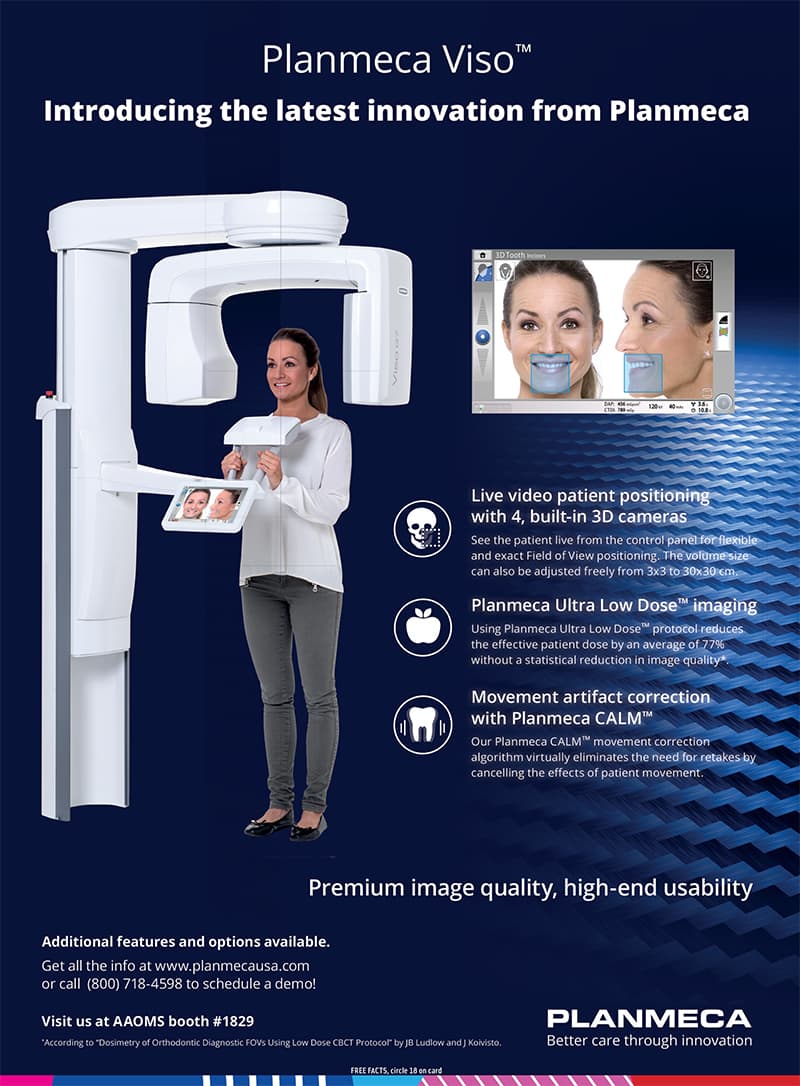
An older page promised nine modern technologies, as if the number were the point. The tools that actually enter a case here are easier to name than to advertise. Clinical photographs record what the eye agreed it saw. An intraoral scan records the surfaces it could reach. Cone-beam imaging answers a question about bone, a root, or a joint only when that exposure is justified. None of the three is a diagnosis.
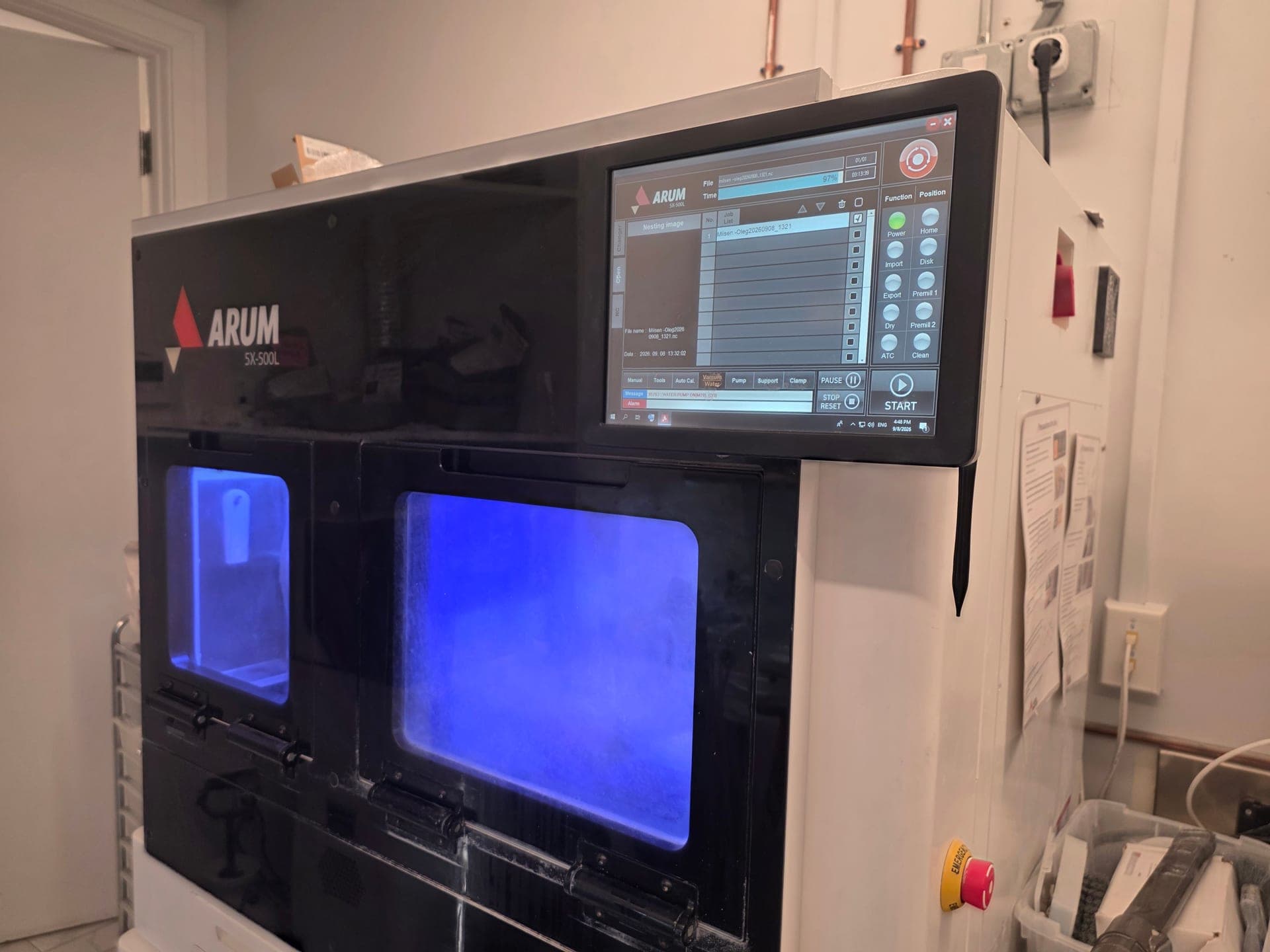
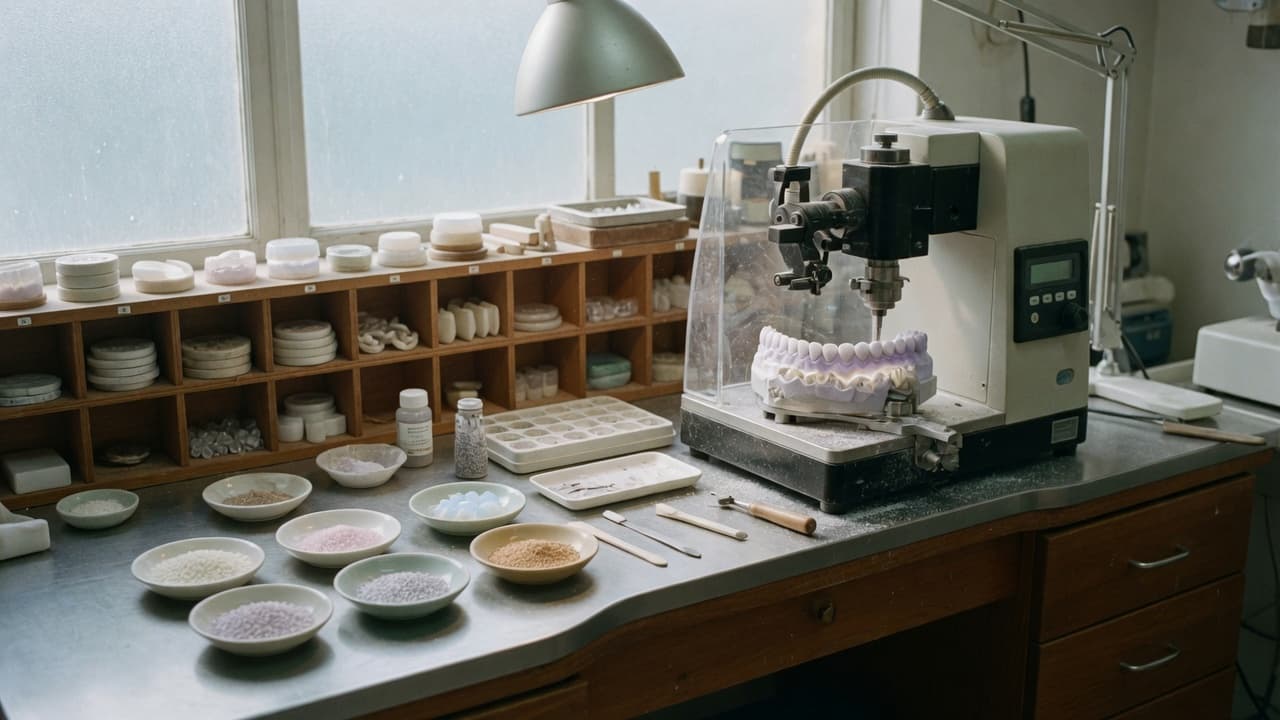
Digital design and a mock-up test a shape before enamel is removed. The laboratory in the building can make provisionals and definitive work without a courier's calendar, which changes logistics, not biology. Photogrammetry is used for selected complete-arch implant records, where a conventional impression is a poor way to relate many implants. A surgical guide is considered when it makes the implant position more reproducible. It does not create bone that was not there.
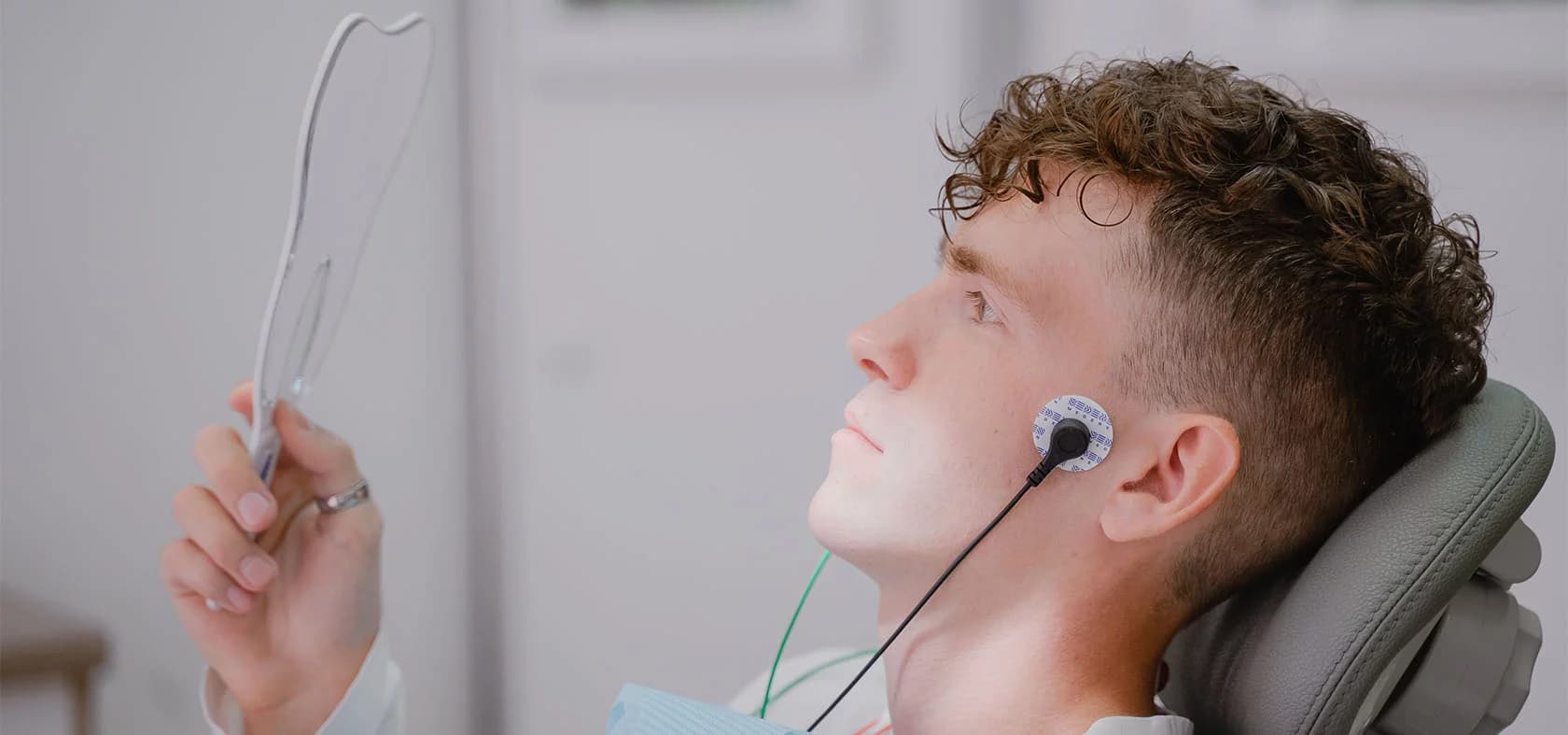
Jaw-movement records and surface muscle recordings are measurements of selected signals. They do not identify the cause of pain, and they do not authorize irreversible dentistry by themselves. A written sequence is the ninth item on purpose: what is provisional, what has to heal, who is responsible for the next visit, and which finding would stop the plan. A list of devices without that page is a brochure.
Technology belongs in the record when it made the plan clearer, safer, or easier to repeat. If it did not change a decision, it did not need to be used. Patients should be able to ask which of these nine was actually used for them, and what it was not allowed to decide.