
A chip is lost tooth structure. Sometimes the loss is a rough enamel edge after biting something hard. Sometimes the fracture line continues into dentin, under a filling, or toward the pulp. Those are different problems, and they are not sorted by how dramatic the edge looks in a photograph.
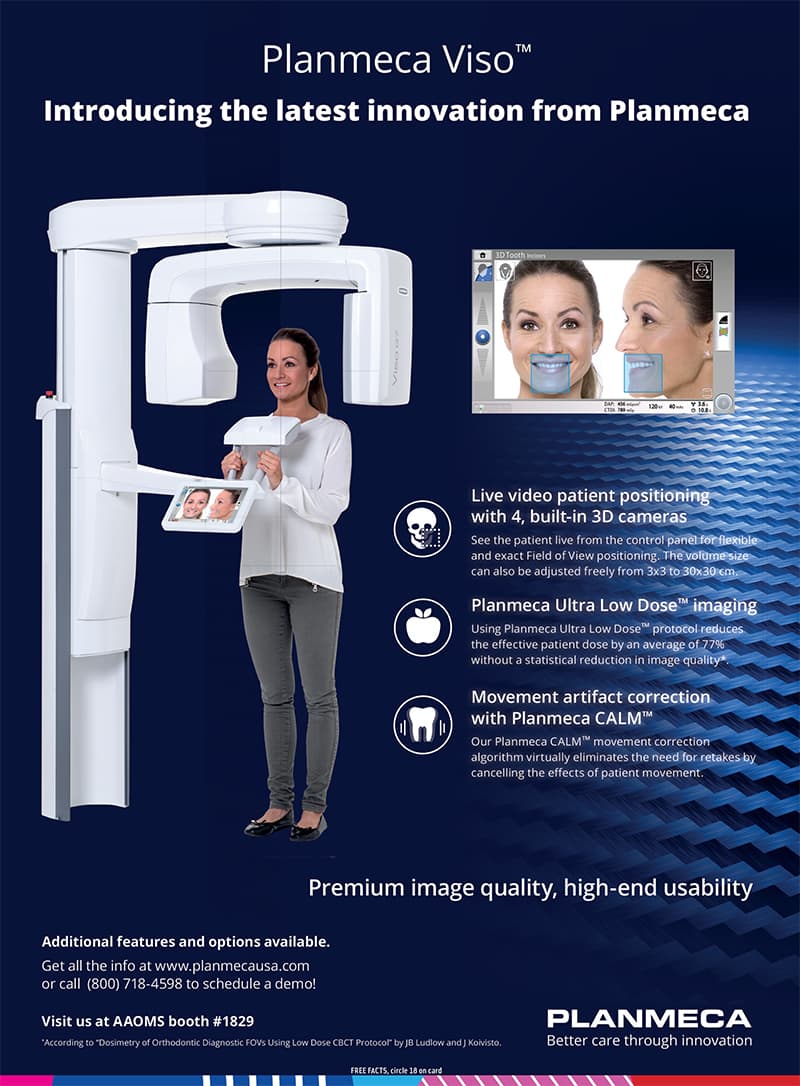
The visit starts with what changed: when the chip happened, whether the tooth is sensitive to cold or biting, and whether the bite now hits the damaged edge first. A radiograph is used when it can answer a question about the pulp, the root, or a fracture that the eye cannot see. It is not taken as a ritual.
A small enamel chip may be smoothed. A chip that catches the lip or shows dentin may be restored with bonded material. A tooth that has lost a cusp, or that already carries a large restoration, may need coverage so the remaining walls are not left to flex. Bonding is not available for every chip, and a crown is not the automatic upgrade.
Pain, swelling, a visible pulp, or a crack that runs under the gum changes the urgency and may change the tooth's prospects. Bring the fragment if you still have it, but do not assume it can be reattached. The useful plan names what is known, what the tooth can still do, and what would make the plan change.