Journal · 2026 · 6 min

Cracked teeth are a range, not one diagnosis

A craze line, a cracked cusp, and a split tooth do not share a treatment. Symptoms can come and go, and the crack is not always visible.

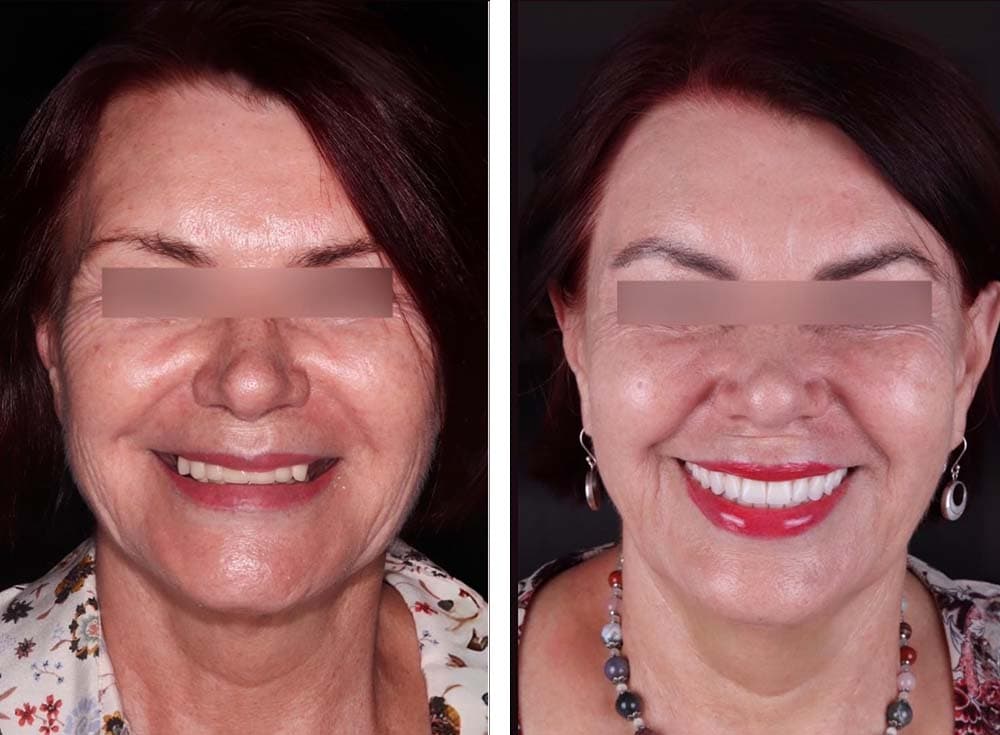
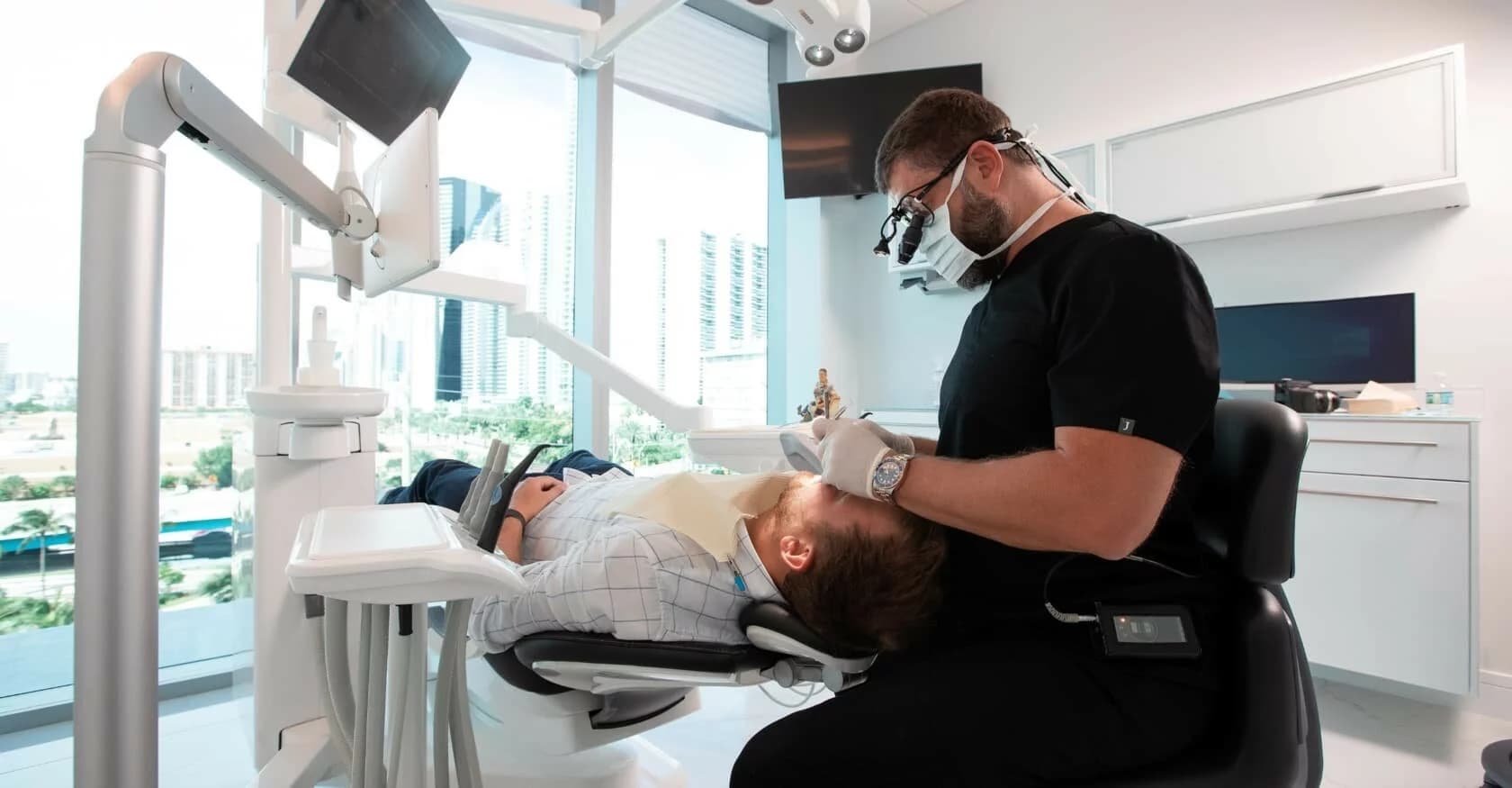
Cracked teeth are a range, not one diagnosis — editorial image

Teeth can show fine craze lines that never become a clinical problem. They can also crack through a cusp, under a filling, or down a root. The word crack does not tell a clinician which of those is present. A line in enamel is not the same finding as a tooth that separates when the patient bites on a specific cusp.

Pain from a crack is often inconsistent. It may appear only on release of biting, or only with cold, and then quiet for days. That pattern is a reason to examine the tooth, not a reason to guess. The examination can include drying the tooth, looking under magnification, a bite test, and sometimes removing an old restoration to see the floor beneath it. A radiograph may show nothing, because many cracks do not displace the pieces enough to appear on a film.

Treatment follows what the crack has already done. Observation can be reasonable for a symptom-free craze line. Covering the cusps can limit flex in a tooth that is still one piece. If the pulp is inflamed, root canal treatment may be discussed, and it still does not repair a crack. A tooth that is split into separate mobile pieces, or whose crack reaches far below the bone, may not be restorable.

A crown is not a guarantee that a crack will stop progressing, and extraction is not the first sentence of the visit. The honest account is the depth and direction that can be seen, the symptoms that fit, and the limits of what cannot be seen until the tooth is opened or removed.

Explore TMJ / TMD care →Request the Sunny Isles Beach desk →

Education & associations

The standards behind the work.

Formal dental education, specialty training, and professional organizations help frame a practice built around periodontics, reconstruction, continuing education, and evidence-led care.

Academy of General Dentistry PACE logo

Continuing education

Academy of General Dentistry

AGD advances general dentistry through continuing education. Its PACE program evaluates continuing-education providers; PACE approval is not an accreditation or endorsement of a dental practice.

Official source
American Dental Association logo

Professional association

American Dental Association

The ADA supports the dental profession with evidence-based clinical guidance, ethics resources, research, education, and public-health advocacy.

Official source
American Academy of Implant Dentistry logo

Implant dentistry

American Academy of Implant Dentistry

Founded in 1951, AAID is a professional organization devoted to advancing implant dentistry through education, research, advocacy, and credentialing.

Official source
American Academy of Periodontology logo

Periodontology

American Academy of Periodontology

The AAP is the professional organization for periodontists—dentists focused on gum health, supporting bone, and the surgical placement and maintenance of dental implants.

Official source
NYU College of Dentistry DDS logo

Education

NYU College of Dentistry

Dr. Baruch Tetri earned his DDS at NYU College of Dentistry in 2006 and completed his Certificate in Periodontics in 2009.

Official source

Organization names and marks identify educational and professional reference points. They do not imply endorsement of Tetri’s Smile or guarantee a treatment outcome.

T controls