Journal · 2026 · 6 min

Do veneers hurt? Anesthesia, sensitivity, and what is elective

Preparation is done with local anesthesia when tooth is removed. Afterward, some teeth are sensitive for a while. That is not a promise that the visit will feel like nothing.

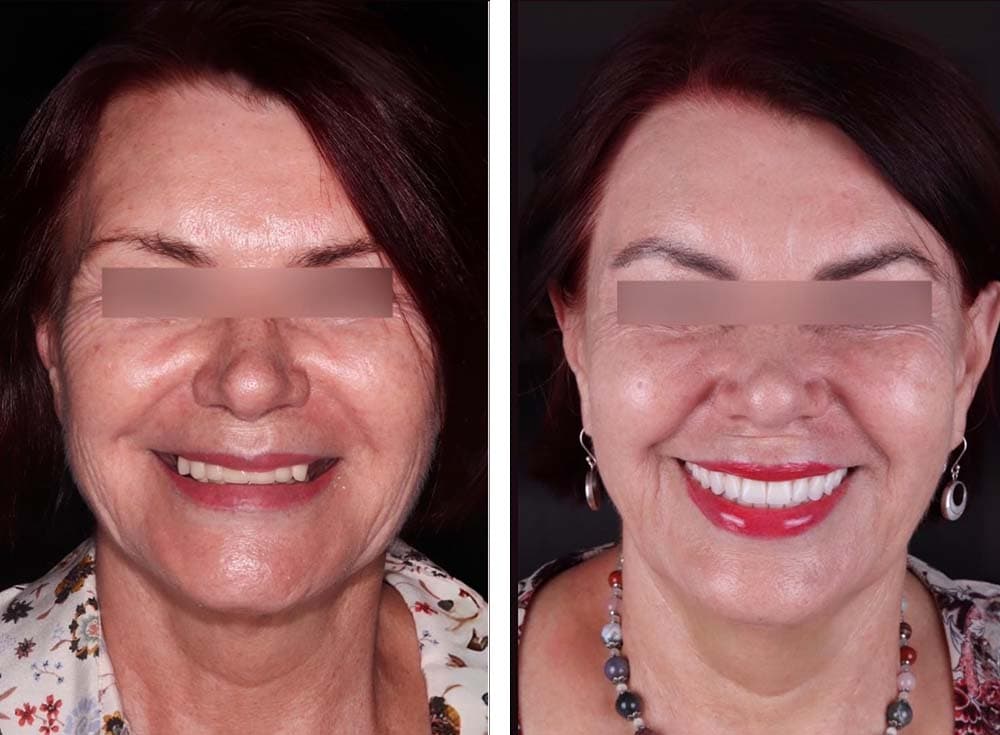
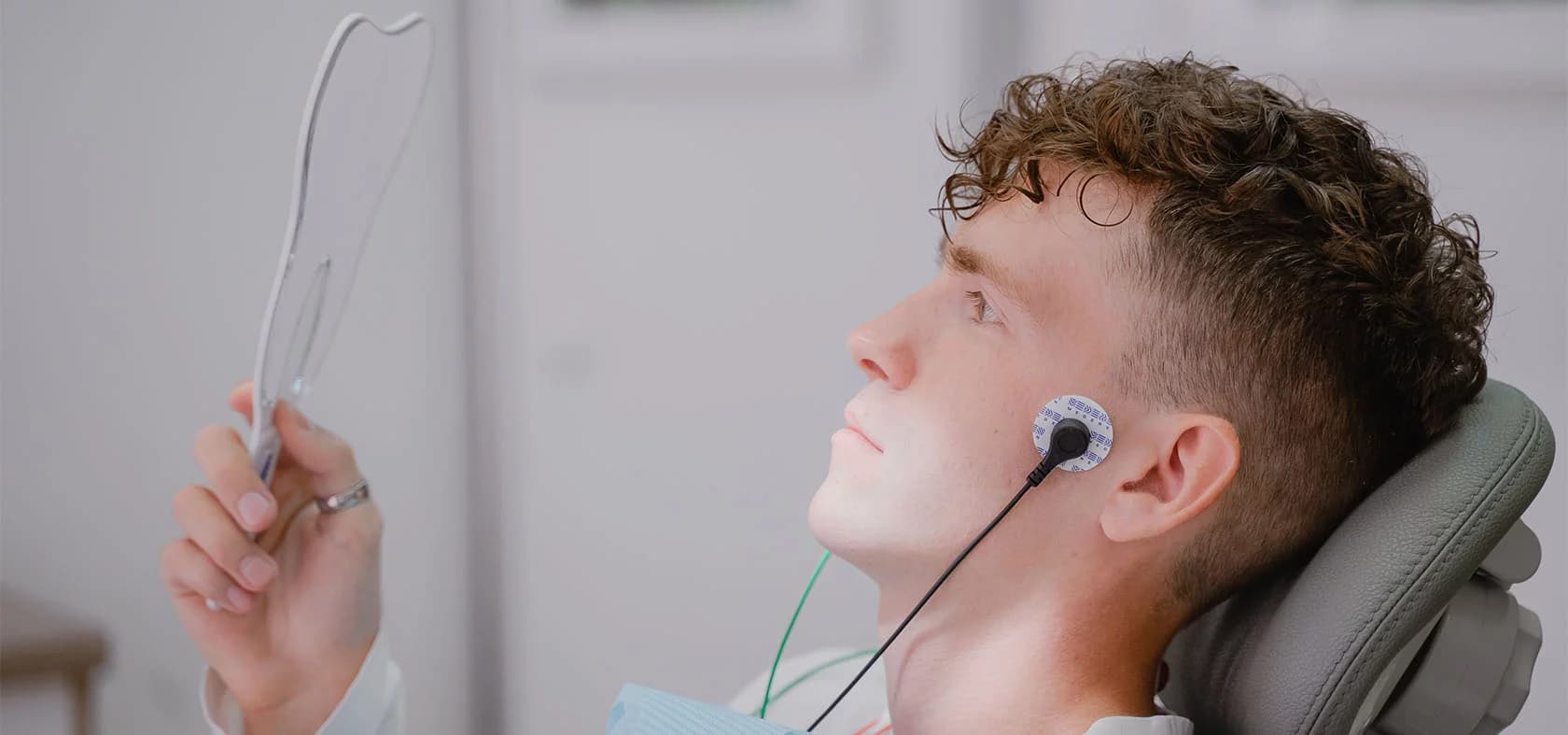
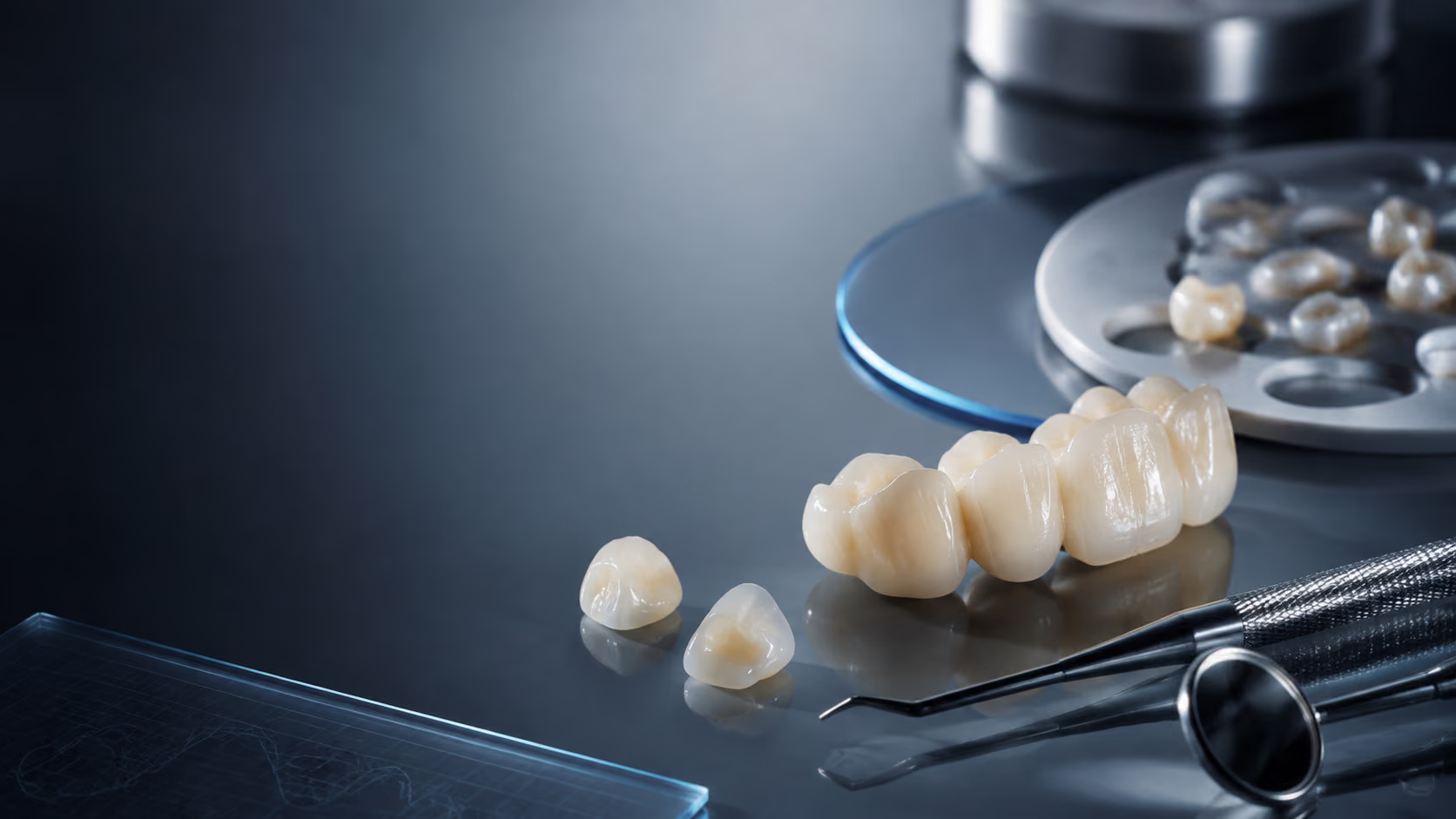
Do veneers hurt? Anesthesia, sensitivity, and what is elective — editorial image

When a veneer requires tooth reduction, the preparation is done under local anesthesia. The injection is a brief sharp sensation for many people, and the drilling that follows should not be painful once the tooth is numb. Numbness is not the same as the absence of pressure, vibration, or noise. A visit can be manageable and still be a dental visit.

Some teeth are sensitive to cold after preparation or bonding. That often settles as the pulp calms and the temporary or final surface is sealed. It does not settle for every tooth, and it is not something to wait out if the pain becomes spontaneous, wakes you, or worsens. Those changes need a look at the pulp, the bite, and the bond.

Minimal preparation is not a moral advantage, and it is not available for every request. A tooth that is dark, rotated, or already restored may need more reduction, a different material, or no veneer at all. The useful question is how much enamel can be preserved while still making a shape the lip, the bite, and the patient can live with.

For an elective change, a mock-up is the place to test length and speech before enamel is removed. Liking a photograph is not consent to prepare the teeth. If you are unsure, the conservative decision is to stop before the preparation, not to hope the ceramic will resolve the doubt.

Explore TMJ / TMD care →Request the Sunny Isles Beach desk →

Education & associations

The standards behind the work.

Formal dental education, specialty training, and professional organizations help frame a practice built around periodontics, reconstruction, continuing education, and evidence-led care.

Academy of General Dentistry PACE logo

Continuing education

Academy of General Dentistry

AGD advances general dentistry through continuing education. Its PACE program evaluates continuing-education providers; PACE approval is not an accreditation or endorsement of a dental practice.

Official source
American Dental Association logo

Professional association

American Dental Association

The ADA supports the dental profession with evidence-based clinical guidance, ethics resources, research, education, and public-health advocacy.

Official source
American Academy of Implant Dentistry logo

Implant dentistry

American Academy of Implant Dentistry

Founded in 1951, AAID is a professional organization devoted to advancing implant dentistry through education, research, advocacy, and credentialing.

Official source
American Academy of Periodontology logo

Periodontology

American Academy of Periodontology

The AAP is the professional organization for periodontists—dentists focused on gum health, supporting bone, and the surgical placement and maintenance of dental implants.

Official source
NYU College of Dentistry DDS logo

Education

NYU College of Dentistry

Dr. Baruch Tetri earned his DDS at NYU College of Dentistry in 2006 and completed his Certificate in Periodontics in 2009.

Official source

Organization names and marks identify educational and professional reference points. They do not imply endorsement of Tetri’s Smile or guarantee a treatment outcome.

T controls