
Journal · 2026 · 6 min

What actually changes the cost of treatment

A fee follows a diagnosis. The number of teeth, grafting, laboratory work, sedation, and the difference between a provisional and a definitive restoration are the usual reasons two plans do not cost the same.

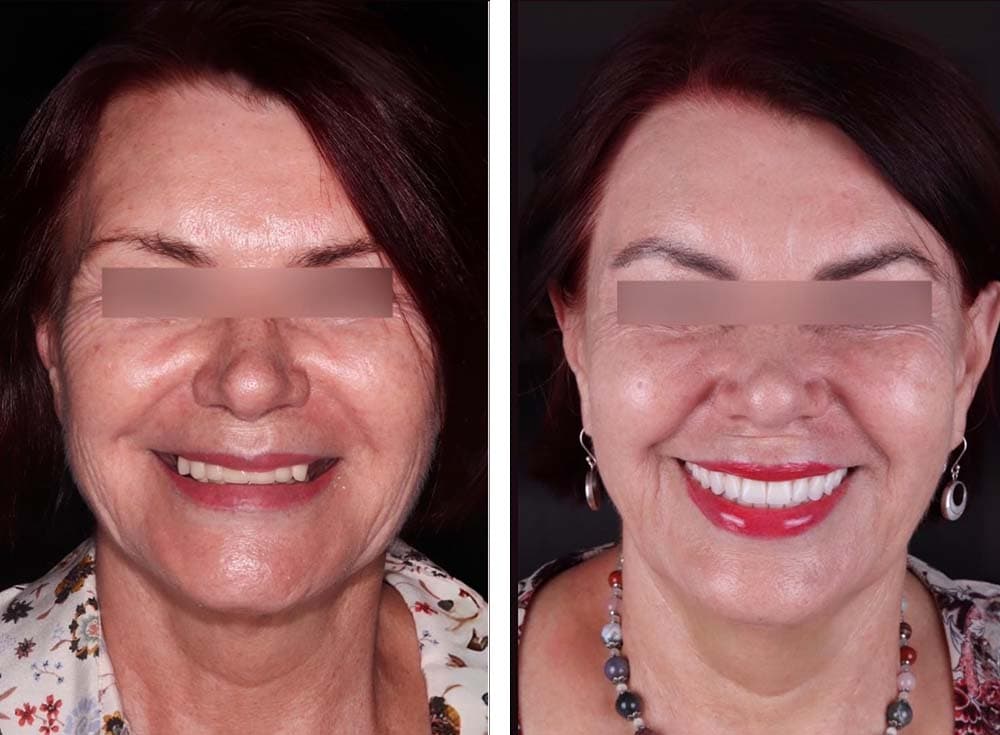
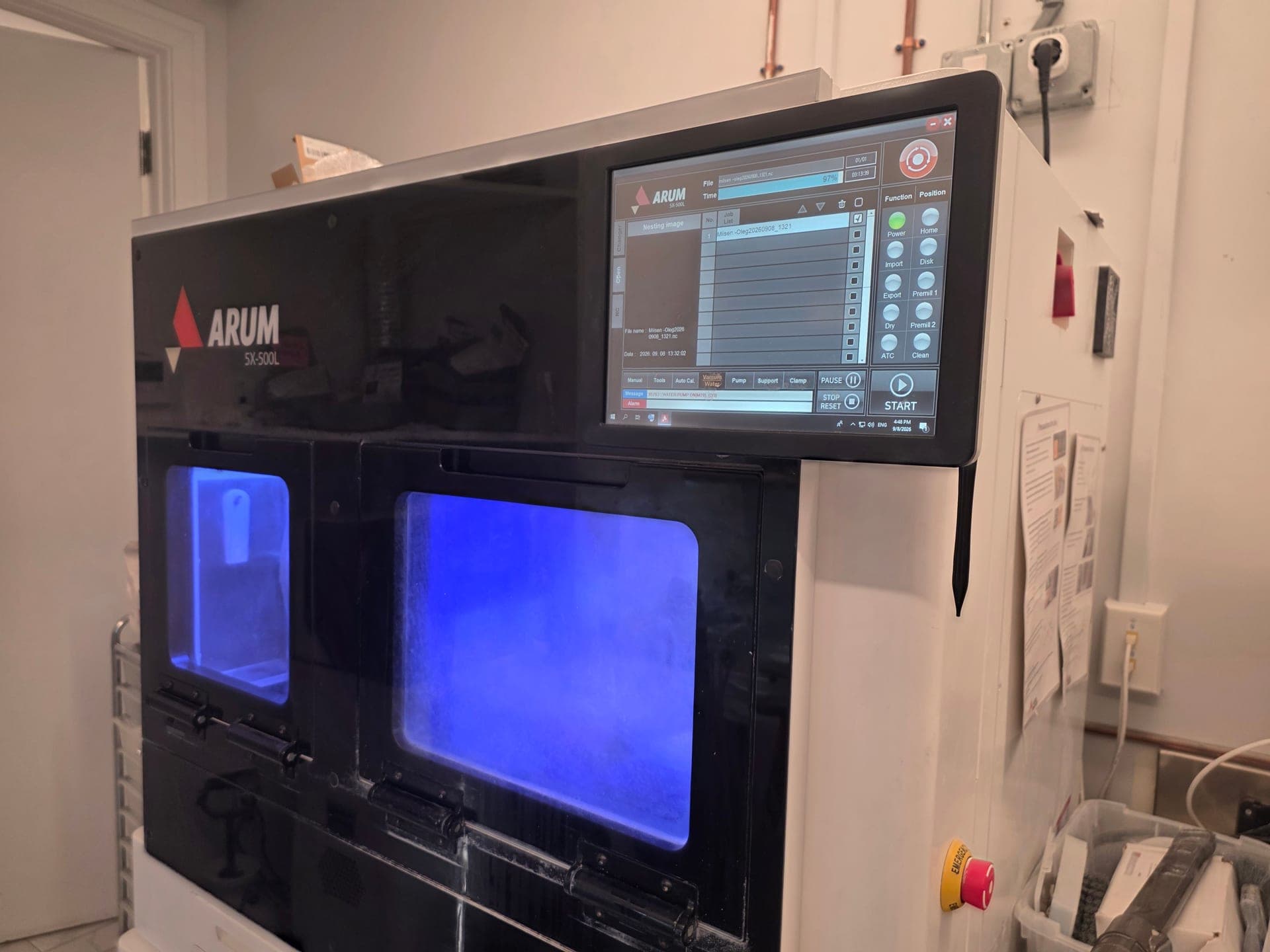
What actually changes the cost of treatment — editorial image

A price quoted before an examination is a guess about someone else's mouth. Two people asking for a better front tooth may need a bonding, a veneer, a crown, or treatment of the gum and the root first. Those are not tiers of the same product. The fee follows what has to be done, in what order, and how many visits the biology requires.

The facts that usually move a plan are concrete. How many teeth are involved. Whether bone or gum has to be treated before a tooth or an implant can be restored. Whether the work is provisional or definitive. Whether a laboratory is making one crown or a full-mouth rehabilitation. Whether sedation is medically indicated. Whether you live nearby or the visits have to be concentrated. None of these is a luxury add-on. Leaving one of them out to protect a number is how plans fail later.

Insurance, when it applies at all, pays according to its own rules and often not for the treatment that was actually planned. This page will not predict a benefit. A written estimate after records is the document that can be compared, revised, or declined. Comparing a coupon for a single crown with a rehabilitation of many teeth is not a comparison of price. It is a comparison of different treatments.

If cost is the reason you are reading, bring that to the visit. A smaller plan that solves the painful or infected tooth, and defers the elective work, is often the honest alternative. It should be offered as itself, not disguised as the same result for less. The practice would rather explain a fee you can refuse than invent one before anyone has looked.

Explore TMJ / TMD care →Request the Sunny Isles Beach desk →

Education & associations

The standards behind the work.

Formal dental education, specialty training, and professional organizations help frame a practice built around periodontics, reconstruction, continuing education, and evidence-led care.

Academy of General Dentistry PACE logo

Continuing education

Academy of General Dentistry

AGD advances general dentistry through continuing education. Its PACE program evaluates continuing-education providers; PACE approval is not an accreditation or endorsement of a dental practice.

Official source
American Dental Association logo

Professional association

American Dental Association

The ADA supports the dental profession with evidence-based clinical guidance, ethics resources, research, education, and public-health advocacy.

Official source
American Academy of Implant Dentistry logo

Implant dentistry

American Academy of Implant Dentistry

Founded in 1951, AAID is a professional organization devoted to advancing implant dentistry through education, research, advocacy, and credentialing.

Official source
American Academy of Periodontology logo

Periodontology

American Academy of Periodontology

The AAP is the professional organization for periodontists—dentists focused on gum health, supporting bone, and the surgical placement and maintenance of dental implants.

Official source
NYU College of Dentistry DDS logo

Education

NYU College of Dentistry

Dr. Baruch Tetri earned his DDS at NYU College of Dentistry in 2006 and completed his Certificate in Periodontics in 2009.

Official source

Organization names and marks identify educational and professional reference points. They do not imply endorsement of Tetri’s Smile or guarantee a treatment outcome.

T controls