
Journal · 2026 · 6 min

What an endodontist is for

An endodontist treats the pulp and the tissue around the root. Tooth pain is not always a root canal problem, and saving the tooth is not always the right ending.

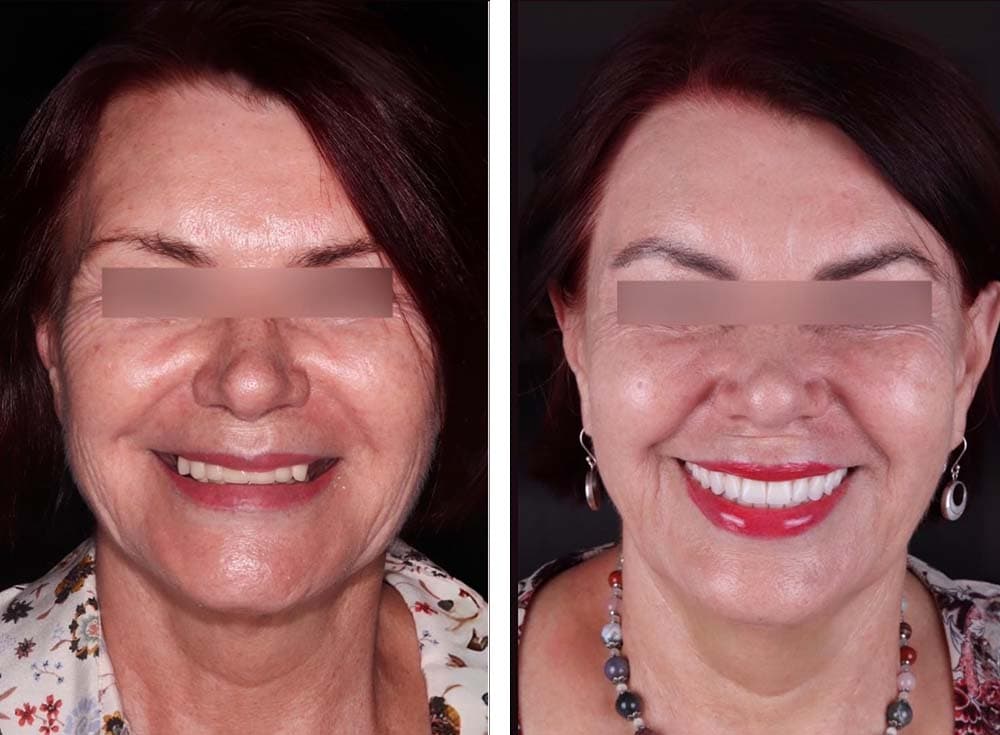
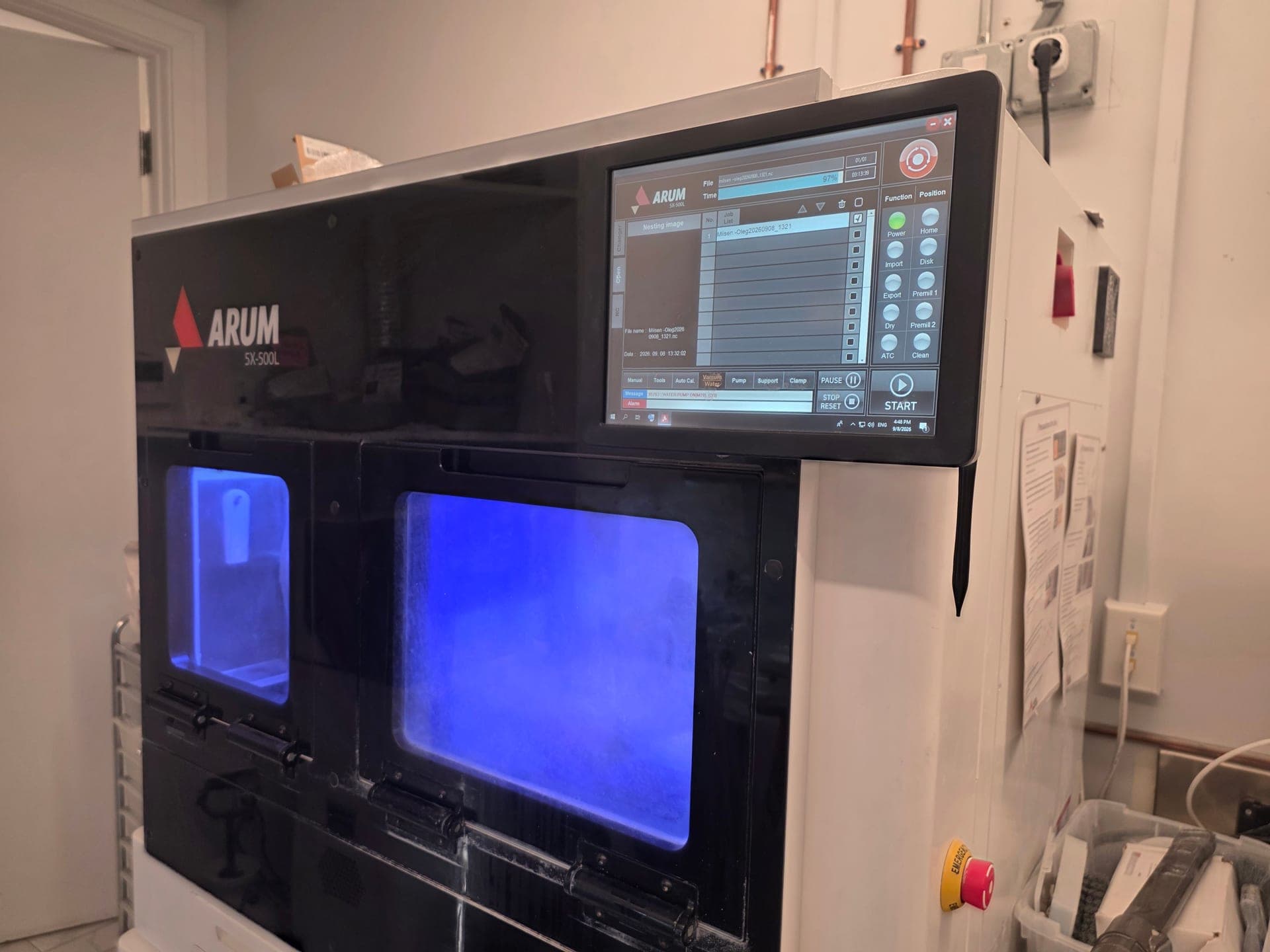
What an endodontist is for — editorial image

An endodontist is a dentist with additional training in the pulp and the tissues around the root. The familiar procedure is root canal treatment. The same training covers retreatment when a previous root canal is not controlling infection, and some surgical procedures when the problem cannot be reached through the crown of the tooth. The specialty is not a guarantee that the tooth will be kept.

Pain in a tooth can be a dying pulp. It can also be a crack, a gum infection, a sinus, a high bite, or muscle pain that the patient feels as a tooth. The endodontist's examination is valuable because it is willing to say that the pulp is not the source. A root canal started on the wrong tooth, or on a tooth whose real problem is a split root, does not become correct because it was thorough.

Referral makes sense when the anatomy is difficult, when a previous treatment has failed, when the diagnosis is uncertain, or when the restorative plan depends on knowing whether the tooth can be kept. It also makes sense to refer back, or not to start, when the tooth is not restorable. A completed root canal still needs a seal and often a covering restoration. The endodontist does not finish that part by cleaning the canals.

If you have been told you need a root canal and you are unsure, the useful questions are which findings support it, what the alternatives are including extraction, and what symptoms should bring you back if you wait. Waiting is sometimes reasonable for a tooth that is not infected and not increasingly painful. It is not a plan for swelling or for pain that is waking you.

Explore TMJ / TMD care →Request the Sunny Isles Beach desk →

Education & associations

The standards behind the work.

Formal dental education, specialty training, and professional organizations help frame a practice built around periodontics, reconstruction, continuing education, and evidence-led care.

Academy of General Dentistry PACE logo

Continuing education

Academy of General Dentistry

AGD advances general dentistry through continuing education. Its PACE program evaluates continuing-education providers; PACE approval is not an accreditation or endorsement of a dental practice.

Official source
American Dental Association logo

Professional association

American Dental Association

The ADA supports the dental profession with evidence-based clinical guidance, ethics resources, research, education, and public-health advocacy.

Official source
American Academy of Implant Dentistry logo

Implant dentistry

American Academy of Implant Dentistry

Founded in 1951, AAID is a professional organization devoted to advancing implant dentistry through education, research, advocacy, and credentialing.

Official source
American Academy of Periodontology logo

Periodontology

American Academy of Periodontology

The AAP is the professional organization for periodontists—dentists focused on gum health, supporting bone, and the surgical placement and maintenance of dental implants.

Official source
NYU College of Dentistry DDS logo

Education

NYU College of Dentistry

Dr. Baruch Tetri earned his DDS at NYU College of Dentistry in 2006 and completed his Certificate in Periodontics in 2009.

Official source

Organization names and marks identify educational and professional reference points. They do not imply endorsement of Tetri’s Smile or guarantee a treatment outcome.

T controls