Journal · 2026 · 6 min

Worn teeth: find the cause before adding ceramic

Wear from grinding and wear from acid are different, and they can occur together. New ceramic on an unidentified habit inherits the same wear.

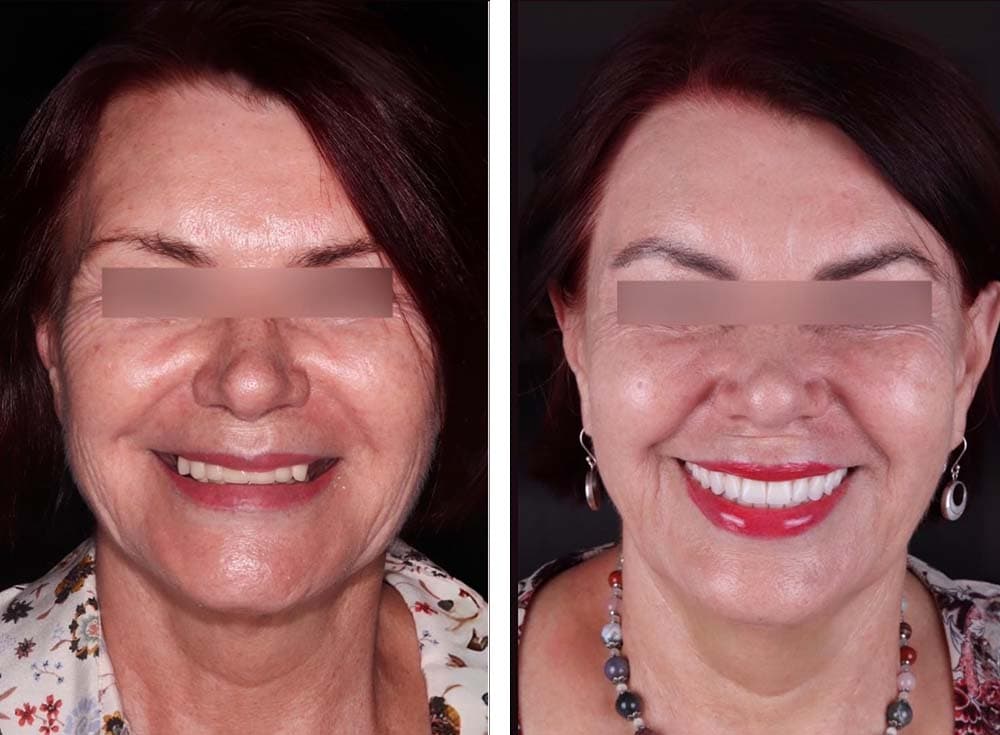
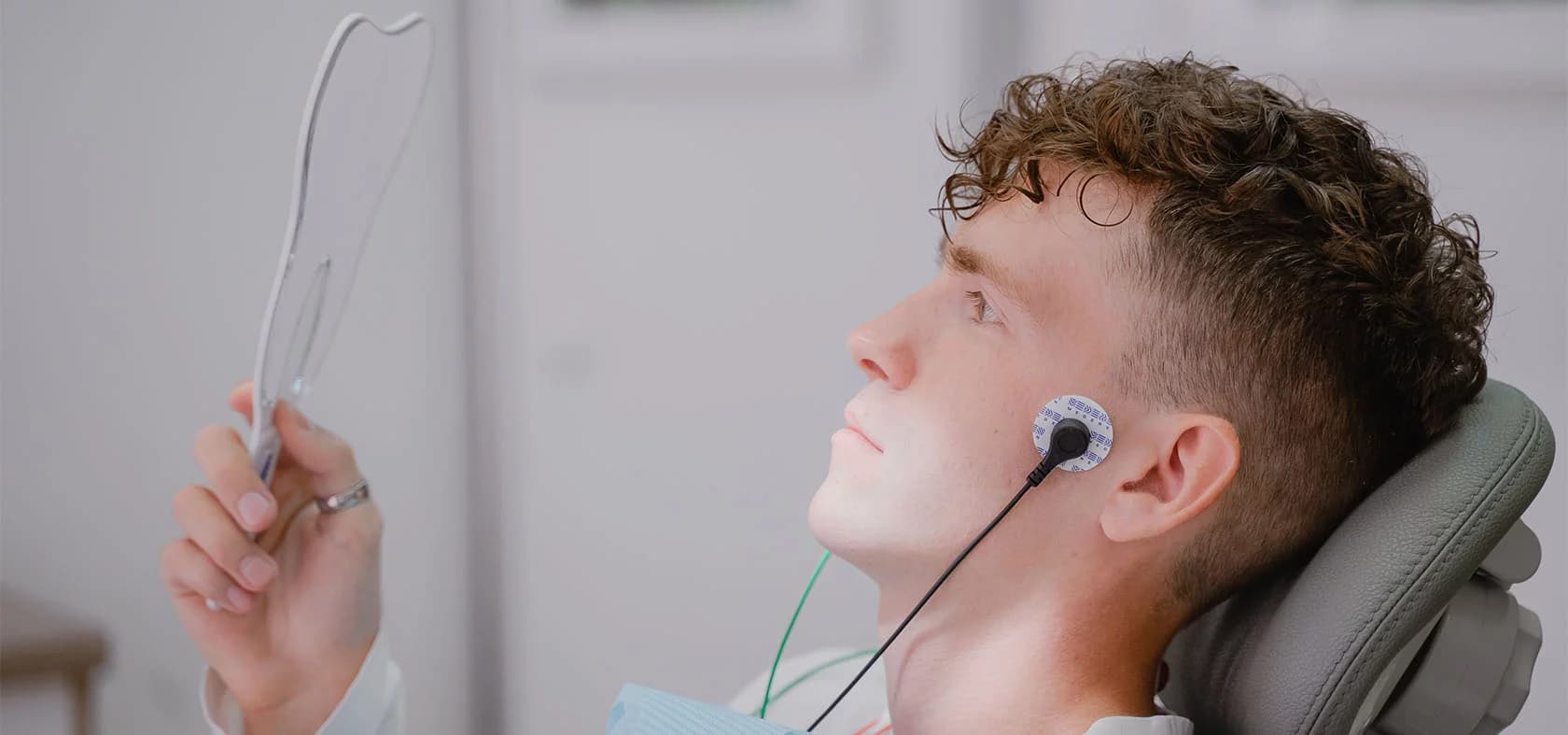
Worn teeth: find the cause before adding ceramic — editorial image

Teeth wear for more than one reason. Grinding and clenching flatten edges and can chip them. Acid from reflux or from the diet softens enamel so that ordinary chewing removes it. A hard brush and abrasive paste scrub the necks of the teeth. These patterns can sit on the same mouth. Treating the look of the wear without asking which pattern is active replaces the surface and leaves the cause in place.

The examination looks at the edges, the biting surfaces, the gum line, the opposing teeth, and whether dentin is exposed. Sensitivity, shortened front teeth, and a bite that has collapsed are consequences, not the diagnosis. Photographs and models help compare the next visit with this one. They do not, by themselves, say that every worn tooth needs a crown.

Protection comes before addition when the cause is still going. That can mean a night guard for parafunction, a conversation about acid and reflux with the appropriate physician, fluoride when the enamel or dentin needs it, and a change in how the teeth are brushed. A guard does not cure grinding. It keeps the teeth and any future ceramic from receiving the full load every night. Ceramic placed over active acid wear or heavy grinding without that conversation tends to chip, debond, or wear the teeth it bites against.

Restoration is appropriate when tooth structure is missing enough to affect sensitivity, the bite, or a tooth that is fracturing, and when the cause has a plan. The amount of treatment can be a few teeth. It does not become a full-mouth rehabilitation because the edges look short in a smile photograph. The plan should say which teeth, which material, and what will be done if the wear continues.

Explore TMJ / TMD care →Request the Sunny Isles Beach desk →

Education & associations

The standards behind the work.

Formal dental education, specialty training, and professional organizations help frame a practice built around periodontics, reconstruction, continuing education, and evidence-led care.

Academy of General Dentistry PACE logo

Continuing education

Academy of General Dentistry

AGD advances general dentistry through continuing education. Its PACE program evaluates continuing-education providers; PACE approval is not an accreditation or endorsement of a dental practice.

Official source
American Dental Association logo

Professional association

American Dental Association

The ADA supports the dental profession with evidence-based clinical guidance, ethics resources, research, education, and public-health advocacy.

Official source
American Academy of Implant Dentistry logo

Implant dentistry

American Academy of Implant Dentistry

Founded in 1951, AAID is a professional organization devoted to advancing implant dentistry through education, research, advocacy, and credentialing.

Official source
American Academy of Periodontology logo

Periodontology

American Academy of Periodontology

The AAP is the professional organization for periodontists—dentists focused on gum health, supporting bone, and the surgical placement and maintenance of dental implants.

Official source
NYU College of Dentistry DDS logo

Education

NYU College of Dentistry

Dr. Baruch Tetri earned his DDS at NYU College of Dentistry in 2006 and completed his Certificate in Periodontics in 2009.

Official source

Organization names and marks identify educational and professional reference points. They do not imply endorsement of Tetri’s Smile or guarantee a treatment outcome.

T controls